


Smarter Storage by Retrofitting Battery Backup
As home energy evolves, it’s no longer just about generating electricity… it’s about making the most of it. That’s why an ever increasing number of homeowners are choosing to add battery storage to their existing solar systems. Retrofitting a battery can help you use more of the energy you generate yourself, reduce your electricity bills, and feel more secure in an energy market that often feels unpredictable.
If you already have solar panels, you may have noticed that a lot of the electricity they produce is generated during the day, when you’re out or using less power. Without a battery, that extra energy is sent back to the grid, often for very little return. You then need to buy electricity back in the evening when prices are higher. A home battery changes that, allowing you to store your solar energy and use it later, when it really matters.
But not all battery systems work in the same way. Traditional batteries typically rely on one large inverter to convert stored energy into usable electricity for your home. While this works well when lots of power is being used at once, it can be far less efficient during quieter periods like evenings or overnight, when most homes are only drawing small amounts of energy.
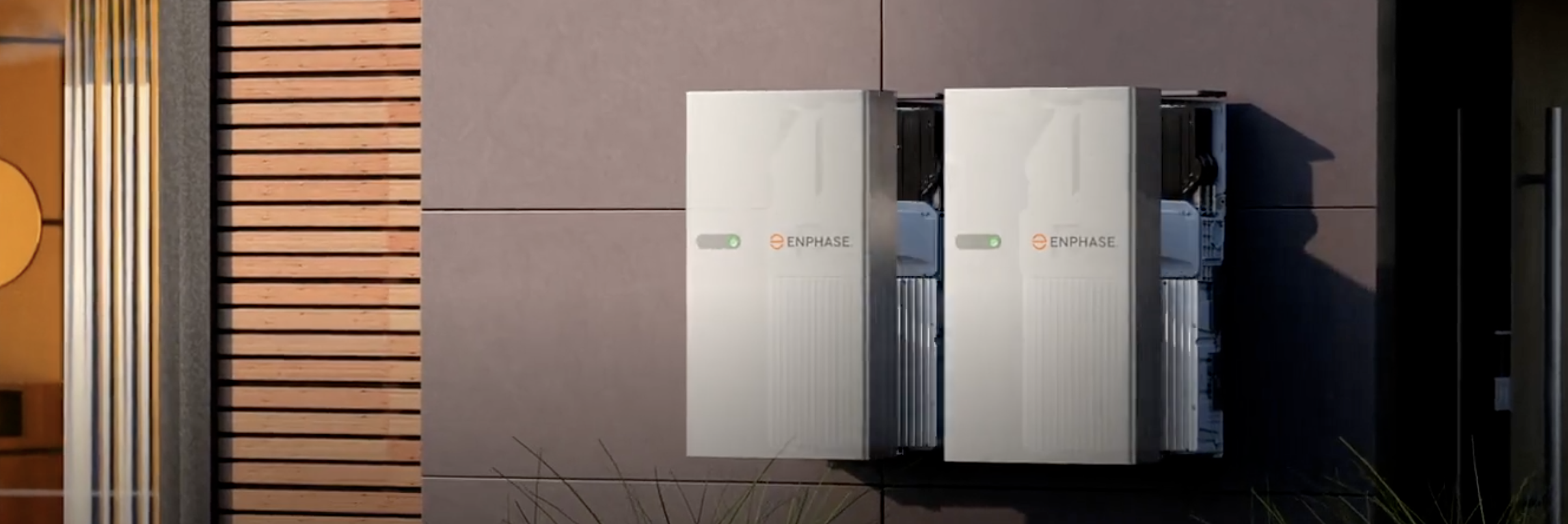
In real terms, that efficiency can make a noticeable difference over time. Systems like this are designed to adapt to everyday household patterns, helping you make the most of your stored energy, especially if your solar generation is modest or your roof space is limited. When you’re retrofitting a battery rather than installing a brand-new system, every bit of efficiency counts.
From an installation perspective, retrofit projects vary widely. Some homeowners have modest arrays and want backup capability whereas others want a dramatic uplift without replacing their existing system. Because Enphase IQ Batteries are modular and AC-coupled, installers can design systems that fit around existing inverters and PV arrays, minimising disruption while maximising performance. Additional modules can be added later, supporting growth as homeowner needs evolve.
Flexibility is another big advantage. Every home is different. Some homeowners want a battery mainly for backup power, while others are looking to significantly reduce how much electricity they buy from the grid. Because Enphase batteries are modular, installers can design a system that works with what you already have, without needing to replace your existing solar panels or inverter. And if your needs change in the future, for example when you add an electric vehicle or heat pump, extra battery capacity can be easily added later.
Being able to see what’s happening is just as important as performance. With simple monitoring apps, homeowners are able view how much energy they’re generating, storing and using each day. This visibility helps you understand your energy habits, see how much you’re saving, and feel confident that your system is doing what it’s supposed to do.
Ultimately, retrofitting a battery should feel like a positive step and not a complicated one. As retrofit storage continues to grow, innovative technology is essential in moving the conversation beyond the hardware to the software-driven efficiency gains that truly unlock value. For installers working at the intersection of solar and storage, that’s a game-changer: a way to deliver smarter, more efficient systems that meet real homeowner needs for years to come.
 Reset Cart
